The melody is simple. The responsibility is profound.
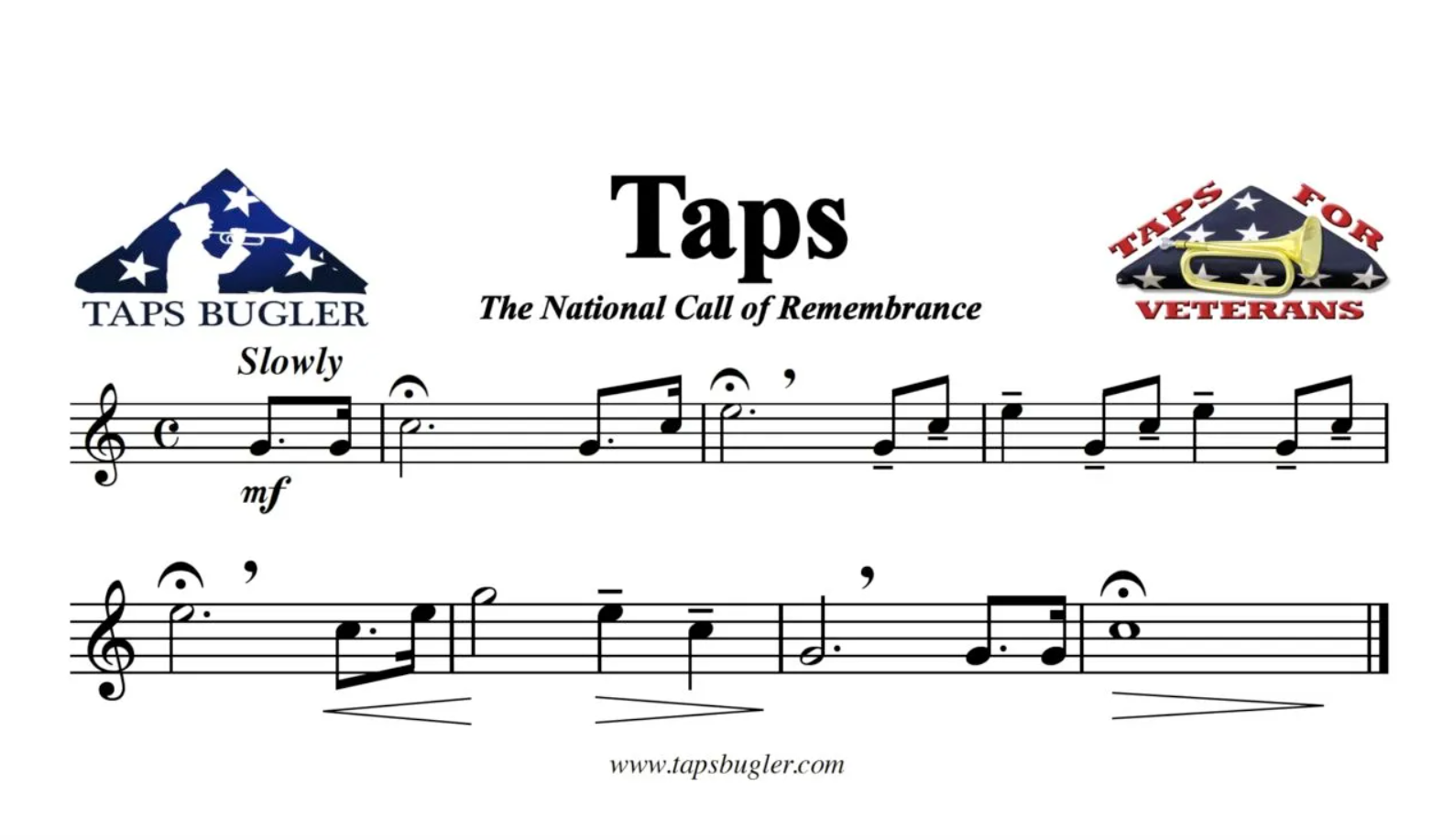
Playing TAPS is the highest honor a trumpet player can have. This is not even matched with playing in Carnegie Hall. With only 24 notes sounding TAPS is unmistakable and so moving and powerful. To many Americans, Taps conveys an important message through its twenty-four notes.
TAPS began as a call to rest. During the Civil War, its familiar form emerged in July 1862 through General Daniel Butterfield and his brigade bugler, Oliver Willcox Norton. Sounded at the close of the military day, it marked the end of duty and the coming of night.
At a military funeral, those same notes carry the weight of a final goodbye. A family stands together. One clear voice rises into the silence.
There are no words to explain the loss or measure the sacrifice. Yet somehow, those twenty-four notes speak to both.
TAPS knows no rank. General or private, each receives the same solemn farewell. Every life being honored belonged to someone—a parent, a spouse, a child, a friend. Someone whose absence will be felt long after the ceremony ends.
When I sound TAPS, I am mindful of the person being honored and the family listening. I want every note to carry the dignity, gratitude, and respect that moment deserves.
And when the final note fades, the silence holds what the music has said.
Your service mattered.
Your life mattered.
You are remembered.